
020 8391 7400
 British Pounds
  Euro
Euro
 US Dollar
 Australian Dollar
 Canadian Dollar
 Danish Krone
 Hong Kong Dollar
 Hungarian Forint
 Icelandic Króna
 Indian Rupee
 Israeli New Sheqel
 Japanese Yen
 New Zealand Dollar
 Norwegian Krone
 Polish Zloty
 Singapore Dollar
 South African Rand
 Swedish Krona
 Swiss Franc

Shop By Brand
Shop By Brand
LED Lamps
Benefits of LED lamps
LED lamps are among the most efficient and rapidly advancing lighting technologies available today. They offer high energy efficiency, long service life, and consistent light output, making them suitable for a wide range of commercial, industrial, and retail applications.
LED technology continues to evolve quickly, with new lamp designs and improved performance typically introduced within short product cycles. For this reason, when upgrading or converting an area to LED lighting, it is advisable to purchase all required lamps at the same time, along with a small number of spares. This helps ensure consistency in light colour, output, and physical compatibility over the life of the installation.
Recent developments in LED lamps include ultra-high efficiency and super high colour rendering options, designed to meet specific performance requirements.
- Ultra-high efficiency LED lamps are designed to deliver the same light output while using significantly less power, in some cases less than half the energy consumption of earlier LED lamp designs. This makes them ideal for reducing operating costs and energy usage.
- Super high colour rendering LED lamps provide colour rendering values above 90 (CRI > 90), allowing colours to appear more accurate and natural. These lamps are particularly important in retail, display, and inspection environments where colour quality is critical.
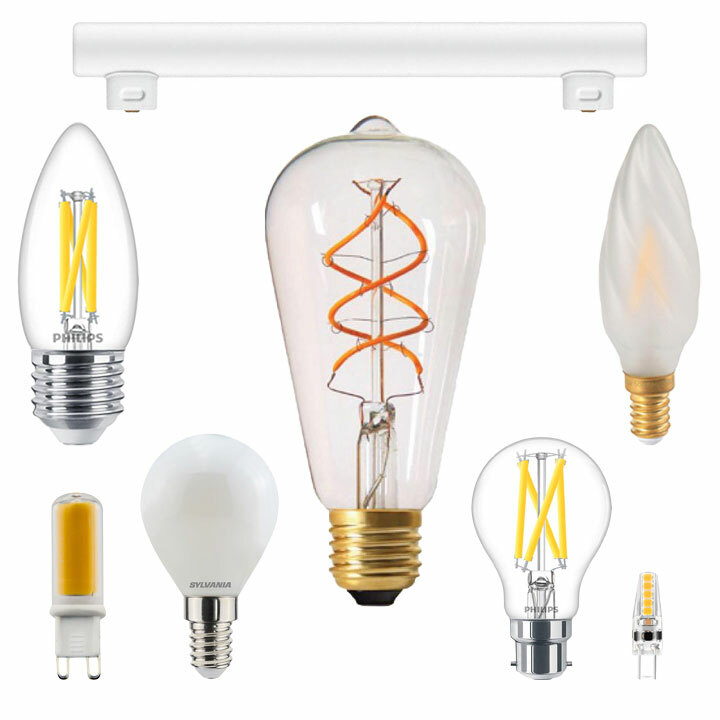
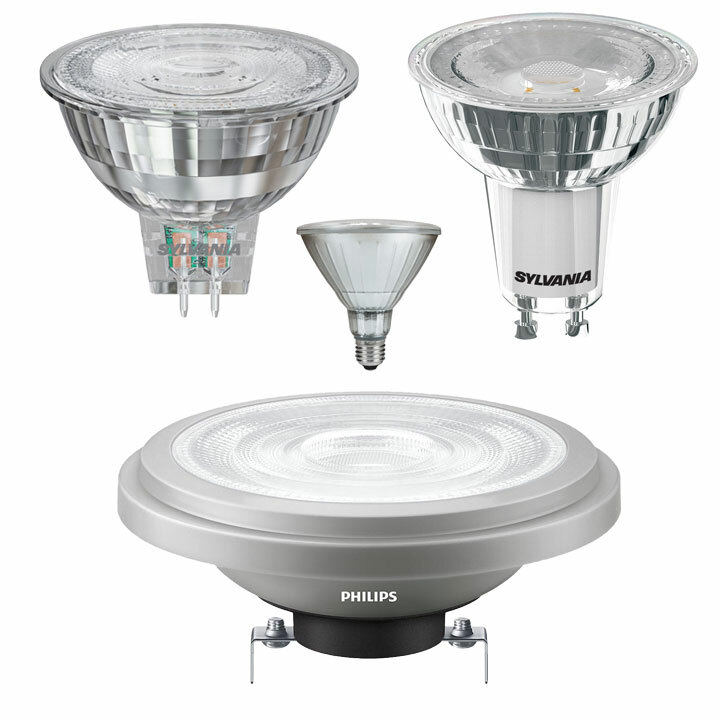
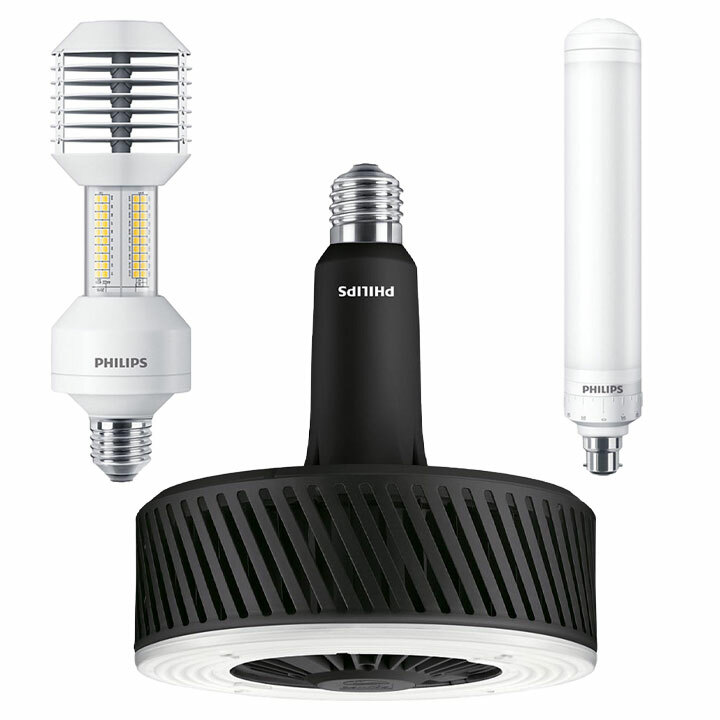
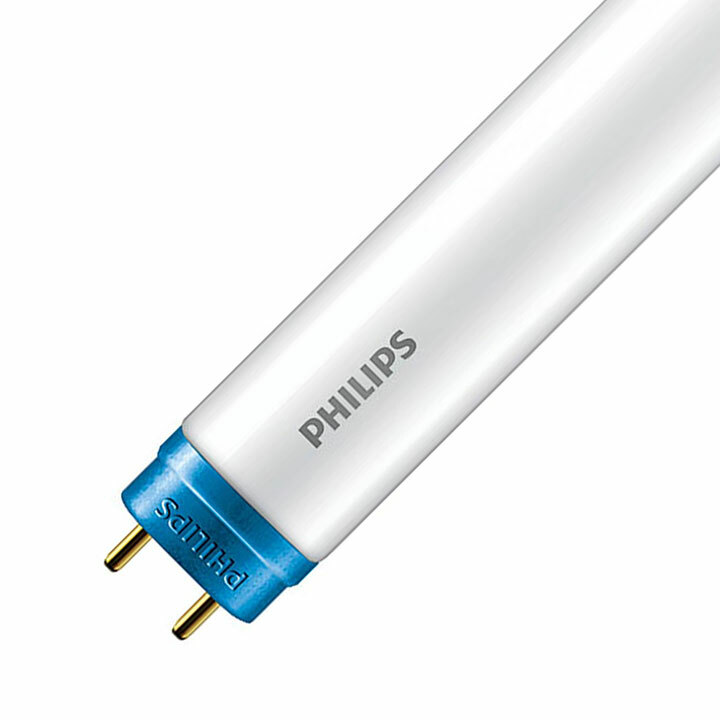
Useful information about LED Lamps
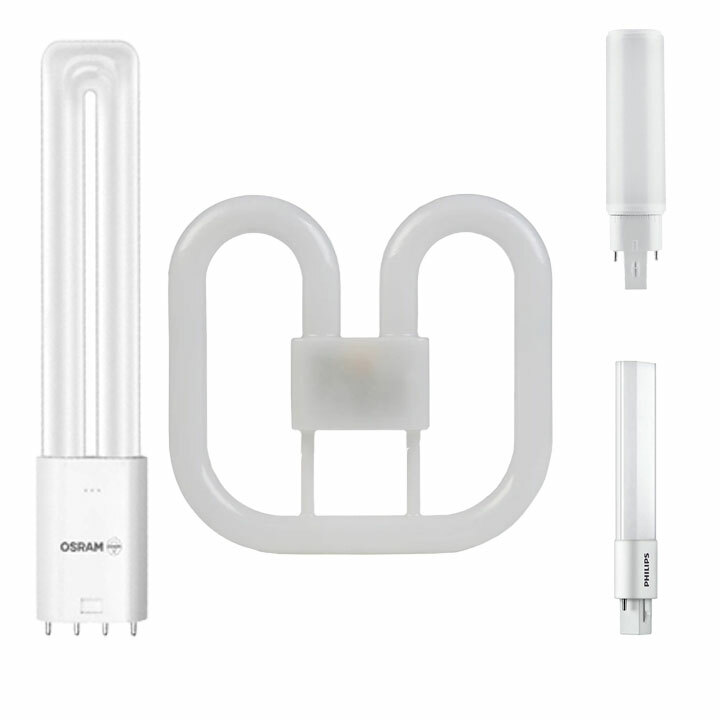
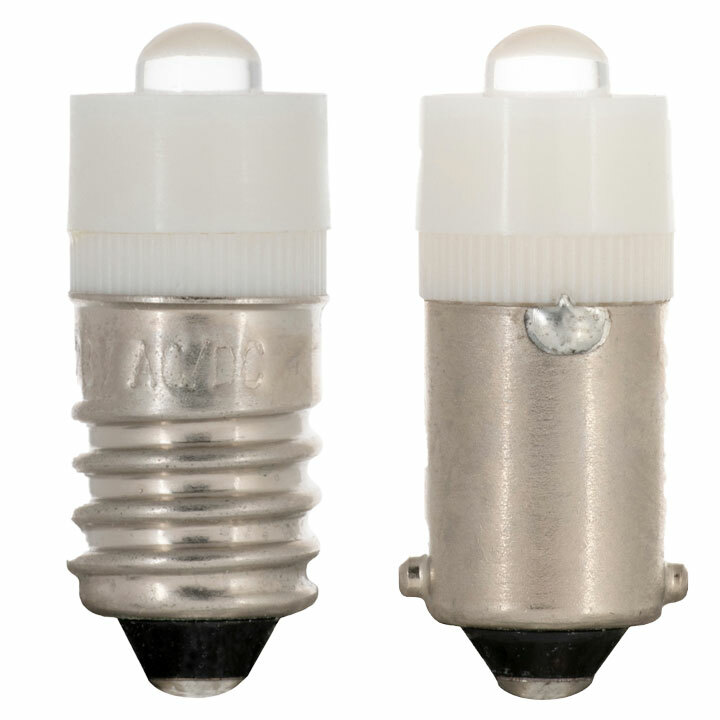
In many cases, LED lamps can be used as direct replacements for traditional lamps in existing fittings. LED retrofit lamps are available for most common lamp types, allowing upgrades without changing the luminaire or wiring.
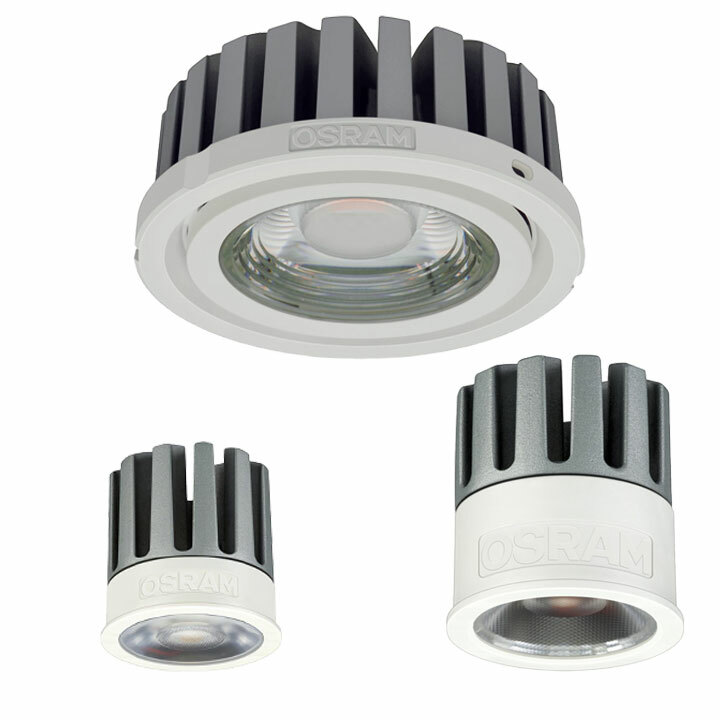
Some high-wattage halogen lamps can be more challenging to replace. This is mainly due to their compact size and very high light output. LED lamps require effective heat management, which often means the lamp body is larger than the halogen lamp it replaces. As a result, it is not always possible to achieve the same brightness in exactly the same physical size.
Despite these limitations, suitable LED alternatives are available for the majority of applications. Using product filters to match base type, voltage, and light output will usually identify a compatible replacement.
If a direct replacement is not immediately obvious, we recommend contacting us for advice. Our product range covers a wide variety of LED retrofit options, and we can help recommend the most suitable alternative for your existing fitting.
Replacing traditional lamps with LED alternatives offers many benefits, but there are a few technical challenges to consider. These challenges mainly relate to dimming behaviour, electrical compatibility, and physical size.
1. Dimming compatibility
Traditional incandescent and halogen lamps dim by simply reducing the supply voltage. This physical process is predictable and works with standard dimmer switches.
LED lamps, however, are electronic devices that contain control circuitry. Instead of responding directly to voltage reduction, the LED driver interprets the incoming electrical waveform to determine light output. As a result, older dimmer switches may not work correctly with LED lamps.
In many cases, replacing an existing dimmer with a dedicated LED-compatible dimmer is required to achieve smooth and reliable dimming performance.
2. Electrical characteristics
When replacing fluorescent tubes with LED tubes, a key decision is whether to retain the existing control gear (such as ballasts or starters) or to remove it and operate the LED tubes directly from the mains supply.
LED tubes designed to work with existing gear are not always guaranteed to be compatible with every fitting. For maximum reliability and long-term performance, direct-to-mains LED tubes are often the preferred option. This approach typically requires an electrician to modify the wiring of the fitting.
3. Physical size and fit
LED lamps are sometimes larger than the traditional lamps they replace due to the need for effective heat management. This can be a limitation when replacing very compact halogen lamps.
While it is not always possible to match the size and brightness of compact high-wattage halogen lamps, ongoing improvements in LED efficiency continue to reduce lamp size. For this reason, it is worth reviewing available LED options periodically, as more suitable replacements may become available over time.
Some traditional lamps are difficult or unsuitable to replace with LED alternatives. The most challenging are low-wattage metal halide lamps. While some LED products claim to be direct replacements, their actual light output is often far lower than the original lamp, sometimes only one-tenth of the lumen level, making these claims misleading.
High-wattage sodium and metal halide lamps can also be difficult to replace using LED “corn” lamps. These lamps can result in a noticeable drop in light levels if the lumens are not carefully matched. For this reason, we do not quote “equivalent” wattage values for these replacements, as many claims in the market are inaccurate.
Corn-style LED lamps can be effective in some applications, but it is important to compare the actual lumen output of the LED with the original lamp rather than relying on equivalency claims. In many situations, a small reduction in illuminance may not be an issue, but it should be considered during planning.
For high-wattage sodium or metal halide lamps, the most reliable solution is to replace the entire fixture with a dedicated LED luminaire. These fixtures are designed to direct light efficiently onto the target area, avoiding the losses associated with inefficient reflectors and providing better overall performance.